
🐋 Beluga Whales Can Recognize Themselves in a Mirror (Plus Nine More Good-News Stories)
☕️ Plus: The genetic mystery of orange cats, wind beats gas for the first time, a blue octopus from the deep, and lost Seville masterpieces recovered

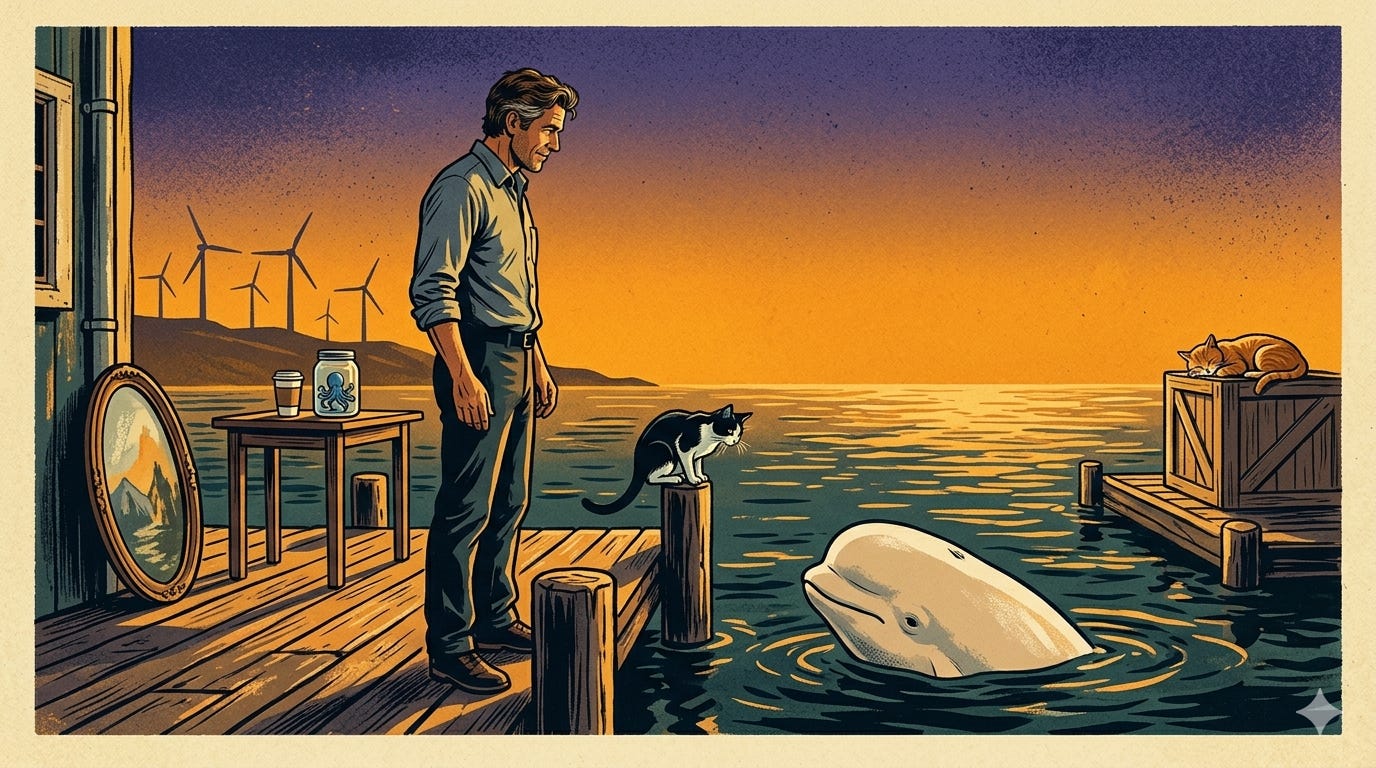
This morning, I read about a beluga whale pressing a mark on her side against a mirror to get a better look at it. A whale, alone in a pool, deliberately uses a reflection to examine herself. I wish they would live in the ocean rather than in an aquarium; there is so much we can learn from these beautiful animals. Today, you will also read about the real genetic secret behind orange cats, a tiny blue octopus discovered nearly 6,000 feet beneath the Galápagos, and two 17th-century paintings that vanished in Seville in 1930 and have just found their way home.
Beluga whales recognize themselves in mirrors
Beluga whales can recognize themselves in mirrors, placing them among a small group of animals with clear signs of self-awareness. A study published in PLOS One tested four captive belugas at the New York Aquarium. Two of them, Natasha and Maris, showed the most striking responses.
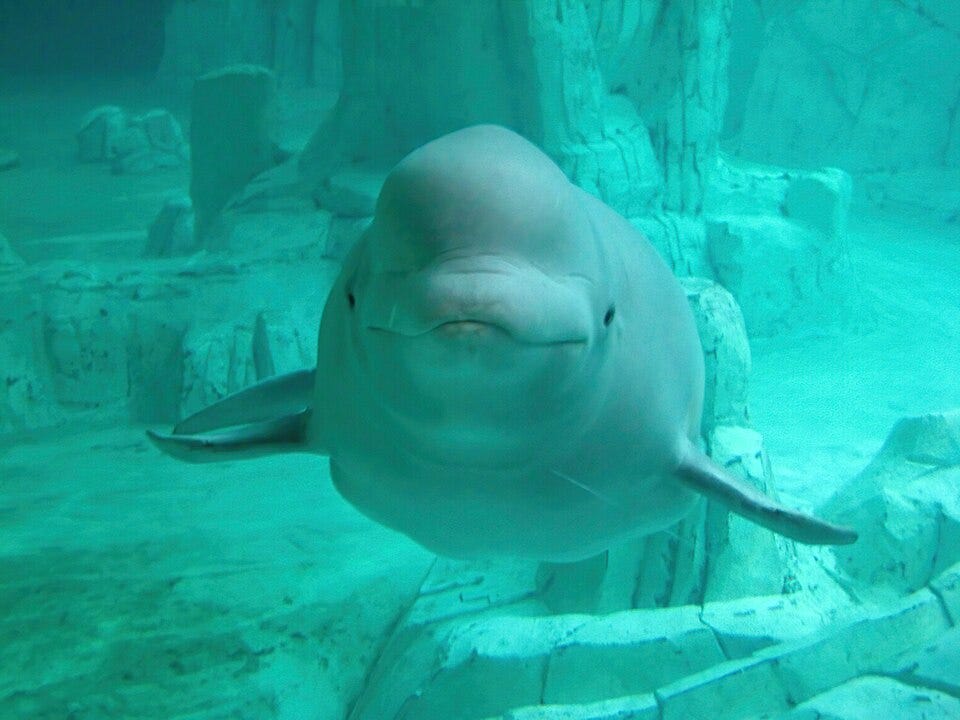
Their first encounter with a mirror began with jaw-clapping and head-jerking, behaviors typically directed at other whales. Then they started nodding, shaking their heads in semicircles, and watching what happened in their reflection. The researchers call this contingency testing: deliberate and unusual movements designed to check whether the animal in the mirror is copying them.
Natasha went further. She swam laps with her marked side facing the mirror and pressed the mark directly against the glass. Scientists at Hunter College describe this as passing the mark test, the standard measure for self-recognition. Bottlenose dolphins, elephants, magpies, and certain fish have passed it before. Belugas now join that list.
150 minutes of exercise a week is a floor, not a target
Public health guidelines say 150 minutes of moderate exercise each week protects your heart. A new study in the British Journal of Sports Medicine confirms that it works and also shows it is barely a starting point. The real cardiovascular benefit requires considerably more.
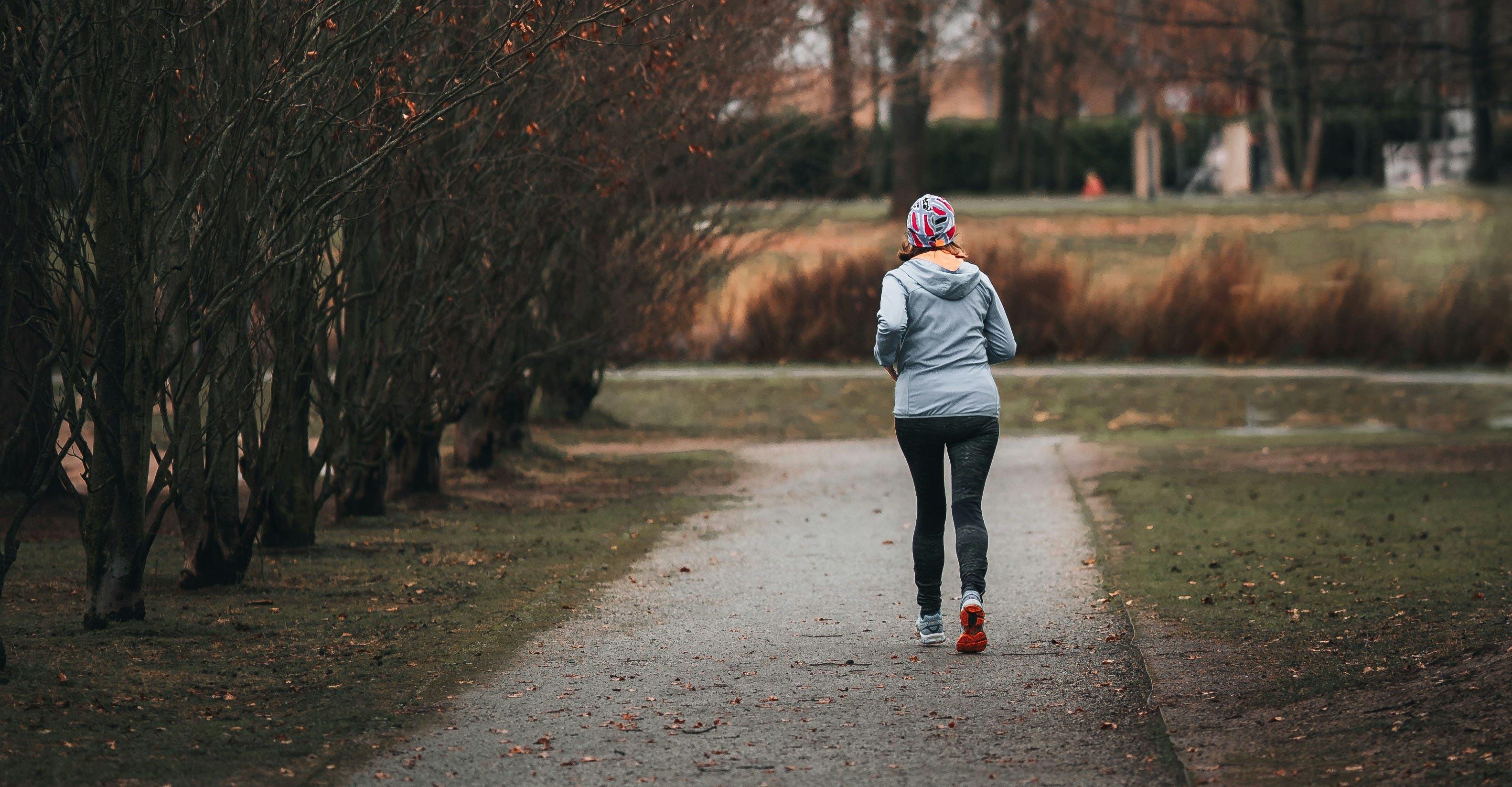
Researchers tracked more than 17,000 adults in the UK over nearly eight years, using wrist activity monitors and a fitness test. Meeting the 150-minute guideline reduced cardiovascular risk by 8 to 9 percent. A reduction of more than 30 percent required around 560 to 610 minutes a week, roughly 80 to 90 minutes daily.
Less fit people needed more exercise than fitter individuals to reach the same protection. For years, I treated 150 minutes as my target rather than my floor. Reading this, I think I will have to find considerably more time for sport.
Do you manage 80 to 90 minutes on most days?
In Daybreak Notes & Beans, I focus on stories of human ingenuity, conservation wins, art, beauty, and scientific breakthroughs that mainstream outlets often overlook. If these reflections of hope help to start your day with perspective rather than pessimism, consider supporting this work:
Wind and solar overtook gas globally for the first time in April
For the first time in a full calendar month, wind and solar generated more electricity worldwide than gas. Analysis from energy think tank Ember shows that renewables produced 531 terawatt-hours in April, while gas plants produced 477 terawatt-hours. That is 22 percent of global electricity from wind and solar, against 20 percent from gas.
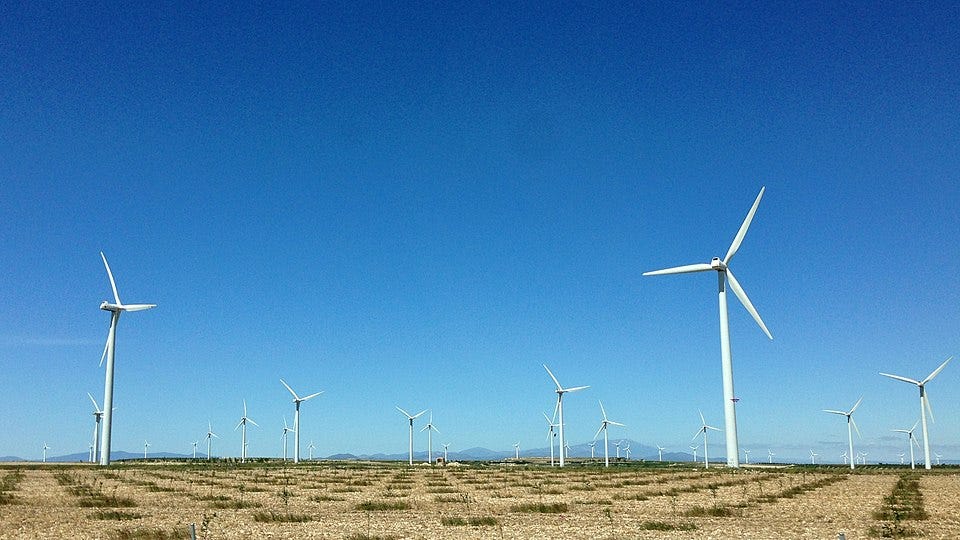
The comparison from five years ago shows how fast this has shifted. In April 2021, gas output was almost identical to where it is now, but wind and solar together produced less than half what they did this April. Global renewable output grew 13 percent compared to a year earlier, with gains across China, the EU, the UK, the US, Australia, Chile, and Brazil.
April was the first full month of the energy disruption linked to the war in Iran. Even so, Ember says the milestone was driven by years of investment, not the crisis. Wind and solar use no fuel once built. That structural advantage is starting to show clearly in the global numbers.
Scientists describe a tiny blue octopus found nearly 6,000 feet beneath the Galápagos
A golf-ball-sized blue octopus discovered near Darwin Island in the Galápagos has been identified as a new species. Researchers aboard the exploration vessel E/V Nautilus spotted it in 2015, roughly 5,800 feet below the ocean surface, using a remotely operated vehicle. The immediate reaction, captured in expedition audio, was “He’s tiny!” and “It’s blue!”
Because the team had only one confirmed specimen, they could not dissect it the standard way. Instead, they used micro CT scanning at the Field Museum in Chicago, creating a detailed 3D model without cutting the animal open. The scans revealed enough internal anatomy to confirm the octopus as a previously undescribed species. It has been named Microeledone galapagensis.
Janet Voight, curator emerita of invertebrates at the Field Museum and lead author of the study, has spent more than 40 years studying octopus evolution. This is the first time she has led the formal description of a new species. She points out that the Pacific Ocean covers more area than all of Earth’s landmasses combined, and that most of its deep seafloor has never been examined.
Researchers found the most fuel-efficient route to the Moon from 24 million options
Scientists at the University of Coimbra evaluated 24 million possible trajectories between Earth orbit and the Moon and identified one that consistently uses less fuel than standard routes. The optimal path swings close to the Moon first, enters a looping orbit near a gravitational balance point between the two worlds, then drops into lunar orbit. The full trip takes about 32 days.
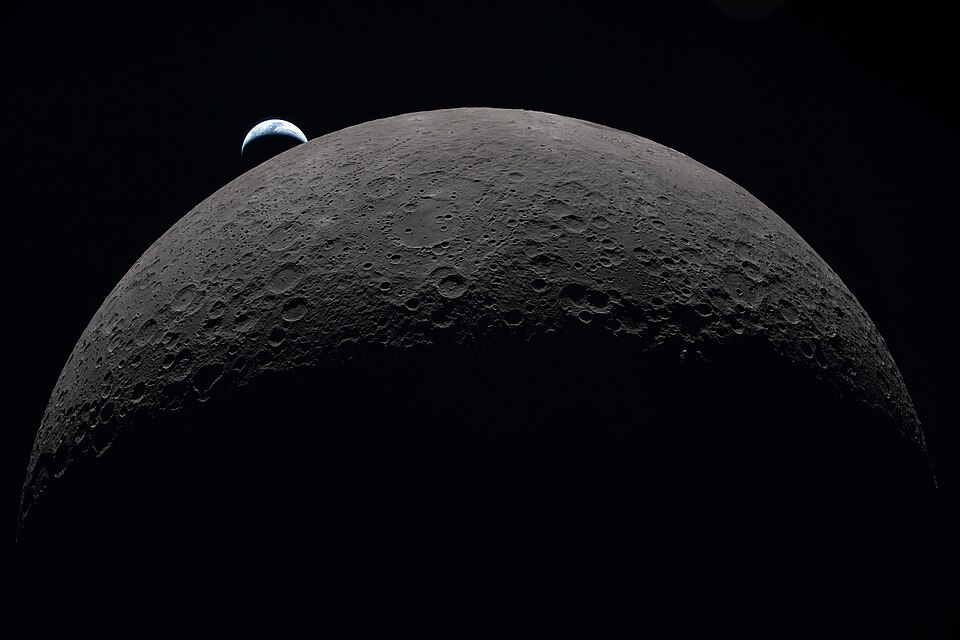
The fuel savings look modest on paper: 58.80 meters per second less than comparable routes. But in spaceflight, every meter per second translates directly into fuel mass, and fuel mass drives mission cost. A lighter spacecraft can carry more instruments. A cheaper mission can fly more often.
The route is too slow for crew transport but well suited for cargo. It also has a practical communications advantage: a spacecraft following this path maintains contact with Earth throughout, unlike direct routes that pass behind the Moon and lose signal temporarily. As lunar missions become more frequent after 2030, routes that trade speed for efficiency and reliability will matter considerably more.
Morning Compass
Every morning, I publish Morning Compass 🧭 in the More newsletter. It is a ten-minute read that tells you what happened overnight, what to watch today, and a moment from history that connects to the present. European perspective. A mix of news items. A question worth thinking about. And one small thing that will make you smile.
The opening image hides clues to the stories. Can you recognize them?
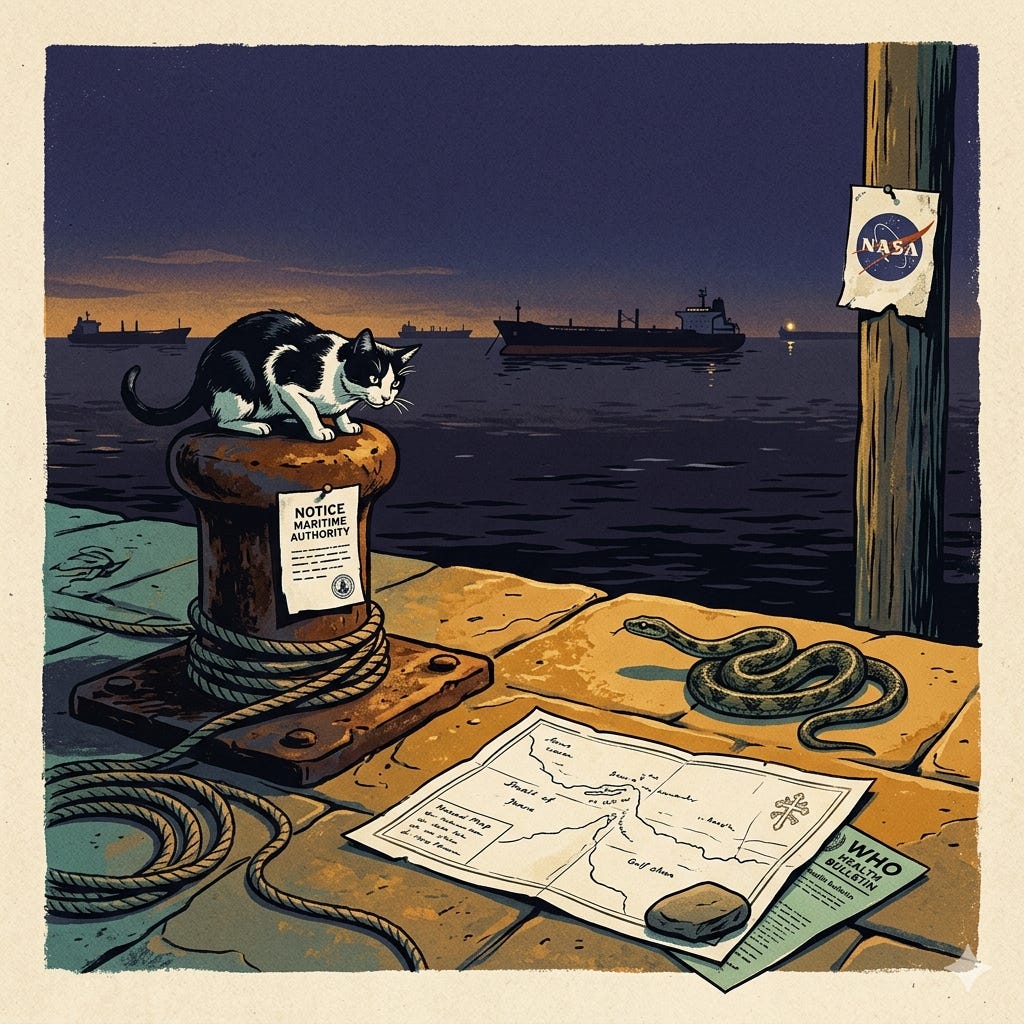
If you haven’t read it yet, please give it a try. I would love to hear your feedback.
And if you would like to receive it, you can subscribe here:

A brain protein decline may be driving how fast we age
Scientists at Xiamen University in China have identified a protein called Menin as a potential hidden driver of aging. Published in PLOS Biology, the research shows that Menin levels drop sharply in the hypothalamus as mice grow older, triggering brain inflammation, memory problems, thinner skin, lower bone mass, and shorter lifespans. When researchers restored the protein in elderly mice, signs of aging reversed within 30 days.
The hypothalamus is a small brain region that regulates metabolism, sleep, hormones, and body temperature. Researchers increasingly suspect it may also coordinate much of the aging process itself, rather than aging being simply the result of wear and tear across different body systems.
One finding stands out for practical reasons. When Menin levels fell, production of D-serine, an amino acid that supports learning and memory, also dropped. Supplementing elderly mice with D-serine for three weeks improved cognitive performance. D-serine occurs naturally in soybeans, eggs, fish, and nuts and is available as a dietary supplement. The research is still in early stages and was conducted in mice, not humans, but it points toward aging as something the brain may actively regulate.
Scientists solved the genetic mystery of why orange cats are almost always male
Scientists have pinpointed why orange cats are predominantly male and why tortoiseshell cats are almost always female. Two independent research teams, one from Stanford University and one from Kyushu University in Japan, arrived at the same answer: a gene called Arhgap36, located on the X chromosome.
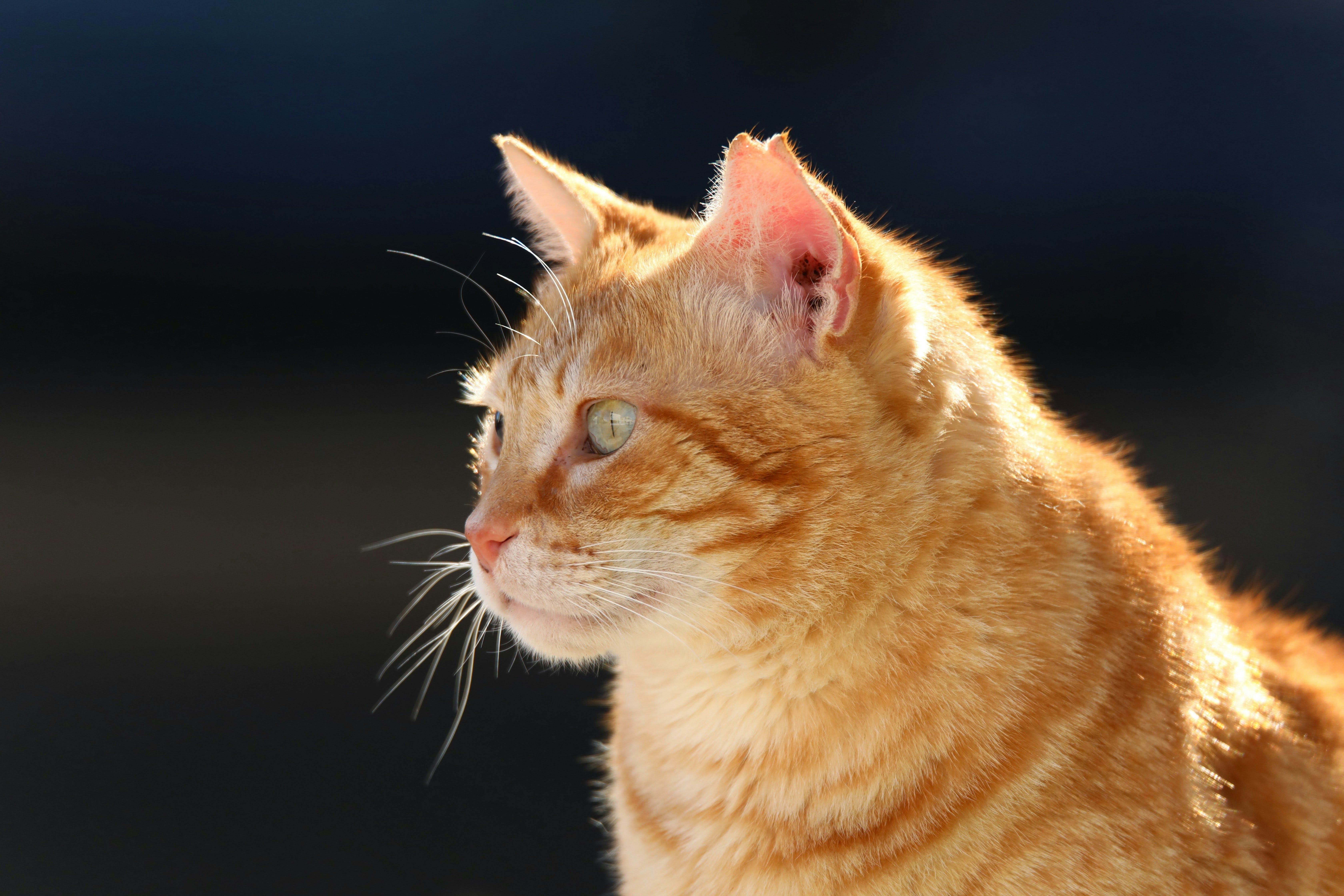
In orange cats, this gene produces about 13 times more RNA than in other cats. That overexpression affects the cells responsible for hair pigmentation, producing a reddish pigment that makes the coat appear orange. The genetic variation is a small deletion in DNA rather than a dangerous mutation. The researchers note that cats with this variant are healthy and, as one study put it, also “cute.”
Because Arhgap36 sits on the X chromosome, male cats need only one copy of the variant to display orange coloring. Females need two copies, one from each parent, which makes full orange far less likely. Tortoiseshell and calico cats carry two X chromosomes with different variants. As the embryo develops, cells randomly choose which chromosome to express across different parts of the coat, producing the familiar mottled pattern.
Two 17th-century paintings missing since 1930 returned to Seville after 95 years
Two oval oil paintings by Seville painter Lucas Valdés have been returned to the Hospital of the Venerable Priests in Seville after disappearing for nearly a century. The works, depicting biblical scenes on pine panel, were loaned to the 1929 Ibero-American Exposition and never came back. Spanish police recovered them this month after spotting them in an auction catalog.

The investigation began in September 2025, when the Archdiocese of Seville alerted the Ministry of Culture that two works matching the missing paintings had appeared in an upcoming sale. The Historical Heritage Brigade confirmed their authenticity and seized them before the auction took place. Officers then identified the current holders and secured a return through mediation rather than legal proceedings.
On May 20, the paintings were formally handed over to the Archdiocese in a ceremony at the church where they originally hung. The return closes a 95-year gap. Whoever received the works in 1930 left no record of why they never came back.
The River Wye has been formally recognized as a living ecosystem with legal rights
The River Wye has become the first full river catchment in the UK to be recognized as a living ecosystem with intrinsic rights. A charter adopted by Herefordshire and Powys county councils grants the river the right to flow, to biodiversity, to be free from pollution, and to regenerate. Two more councils covering the rest of the Wye’s 130-mile course are expected to follow.
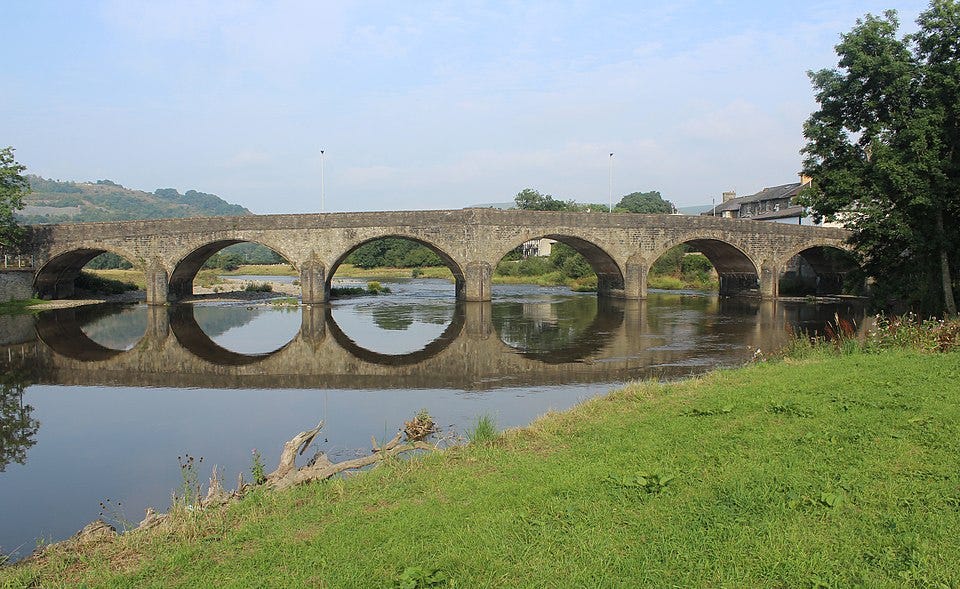
The announcement came at the Hay-on-Wye literary festival. It is part of a wider rights of nature movement that has granted legal personhood to rivers in Ecuador, Canada, and New Zealand. In 2025, ecologist Louise Bodnar became the first formal voice of the Wye, holding a voting seat on the catchment management board representing the river’s interests.
The timing matters because the Wye is in serious trouble. Industrial chicken farming and sewage spills have caused algae and weed growth that has been suffocating the ecosystem. More than 4,500 people who live or work near the river have joined legal action against a major poultry producer and a water company over pollution. Campaigners welcome the charter but say urgent enforcement is still needed to prevent what one describes as “a biologically dead river.”
A moment of science
In about two minutes, this video compresses 250 million years of planetary change into something you can watch over your morning coffee. What you see is Earth from space, continents drifting in slow motion, separating and colliding according to plate tectonics theory. The landmasses we recognize today gradually rearrange themselves into something unrecognizable. Scientists predict most of the world’s continents will eventually merge again into a single supercontinent, just as they did before Pangaea broke apart.
The scale puts things in perspective. The political crises filling the news feel enormous right now. Compared to the timelines in this video, they are barely a flicker. The planet has its own agenda, moving at a pace that makes all of human history look brief.
A moment of beauty
When a group of opossum babies was orphaned after their mother died, a cat named Tostada took them in. She cleans them and keeps them warm. What makes this video so striking is not what Tostada teaches them, but what she accepts. The babies cling to her back the way opossums cling to their mothers. And Tostada simply walks with them there. She does not try to turn them into kittens. She meets them as they are.
I wonder if Luna would be up to this.
Stay inspired,
Alexander
In Daybreak Notes & Beans, I focus on stories of human ingenuity, conservation wins, art, beauty, and scientific breakthroughs that mainstream outlets often overlook. If these reflections of hope help to start your day with perspective rather than pessimism, consider supporting this work:
More from Alexander Verbeek:
🧭 Morning Compass
As a reader of Daybreak Notes & Beans, you know that the positive news ends up in the newsletter you are reading right now.
The Morning Compass is the best way to quickly catch up on the more serious news that’s going on during your first coffee. I also share what to expect in today’s news, what happened on this day in history, what I recently published, what I captured, and what I stumbled upon.
I always write it, but sometimes there is a video, like this one, earlier today:
Screen Skills
One of my other newsletters, Screen Skills, provides practical digital advice in plain language. It is a tech newsletter for non-tech people.
Did you, like me, learn typing on a classic typewriter?
Is computer technology not your hobby, but do you feel you need to know the basics?
Do you find it hard to keep up with every new update on your phone?
Screen Skills keeps things simple, always starts at the basics, and makes your digital life easier in just a few minutes a week.
Today, I published:

The Planet
On Sunday, I published part 9 in the series “The Fall”:


Bomb shelters in Oslo
And on Tuesday in The Planet, I wrote something closer to home: I walked inside one of Oslo’s 18,600 bomb shelters yesterday morning with Norway’s National Civil Defense Commissioner. What I heard there is worth reading.

The Curious Wanderer
On Saturday, I published


Notes
Belugas: Smithsonian Magazine, ‘Belugas Can Recognize Themselves in Mirrors, Joining a Short List of Nonhuman Species That Show Signs of Self-Awareness’ - https://www.smithsonianmag.com/smart-news/belugas-can-recognize-themselves-in-mirrors-joining-a-short-list-of-nonhuman-species-that-show-signs-of-self-awareness/
Exercise: ZME Science, ‘The 150-minute Exercise Rule Helps Your Heart. But If You’re Serious About It, Better Aim for 600 Minutes’ - https://www.zmescience.com/medicine/aim-for-600-minutes-exercise/
Wind and solar: The Cooldown, ‘Wind and solar overtake gas worldwide for the first time as crisis shakes energy markets’ - https://www.thecooldown.com/green-tech/wind-solar-energy-milestone-global-electricity/
Blue octopus: Science Daily, ‘Adorable tiny blue octopus found nearly 6,000 feet beneath the Galápagos’ - https://www.sciencedaily.com/releases/2026/05/260525000446.htm
Moon route: ZME Science, ‘Scientists Map Most Cost-Effective Route to the Moon Out of 24 Million Possibilities’ - https://www.zmescience.com/space/most-cost-effective-route-moon/
Aging: Science Daily, ‘Scientists discover hidden driver of aging — Simple supplement reversed brain decline’ - https://www.sciencedaily.com/releases/2026/05/260524012959.htm
Orange cats: Smithsonian Magazine, ‘Geneticists Solve the Mystery of Why Some Cats Are Orange — and Why They Tend to Be Males’ - https://www.smithsonianmag.com/smart-news/geneticists-solve-the-mystery-of-why-some-cats-are-orange-and-why-they-tend-to-be-males-180985619/
Seville paintings: Euronews, ‘Two 17th-century paintings missing for nearly 100 years recovered after loan’ - https://www.euronews.com/culture/2026/05/25/two-17th-century-paintings-missing-for-nearly-100-years-recovered-after-loan
River Wye: The Guardian via inkl, ‘River Wye granted rights in UK first that could help in fight against pollution’ - https://www.inkl.com/a/rlwRvbtzvyl
Moment of science: wonderofscience/businessinsider.com on x
Moment of beauty: beauty of music and nature on x
I am in awe of our bright and beautiful whale sea friends. And now a tiny octopus. Grateful for the micro CT scan at Chicago's Field Museum. No knife for you tiny blue cutie 🐙
Love my fitness routine I can do at home or on the beach. And at midnight when the last city bus is a no show 🧘♀️🚴♀️🏃♀️
So honored to have a female orangie 🐈
☕
The absolute best story today is about wind and solar surpassing gas as power sources! The feline possum mother, however, beats it for heart throbs. I would add that luna would only consent to such an arrangement if she could stay by your side, and certainly only by happenstance, not human plan. Whales, orcas, dolphins and kindred are magical creatures, of course. Longevity is a problematic subject. The geological message of the time lapse earth film for earth dwellers seems to be that large inland bodies of water will disappear.